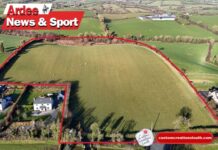
Ardee Residents Raises Concern as Bypass Awaits Transport Plan
By ArdeePost Reporter
A sense of frustration is growing among Louth residents as the long-awaited N52 Ardee Bypass—a key piece of infrastructure for Mid-Louth—is not specifically listed in the Cabinet-approved €24.3 billion Sectoral Investment Plan for Transport 2026–2030, despite assurances that it remains on track to enter construction before the end of the decade.
The plan, secured by Minister for Transport Darragh O’Brien, forms part of the largest capital investment in the State’s history under the National Development Plan (NDP) Review. It provides a sweeping programme of works designed to modernise Ireland’s transport system, enhance regional connectivity, and deliver long-term sustainability.
A Historic €24.3 Billion Investment
Minister O’Brien described the programme as “a transformative moment for Ireland’s transport system”, emphasising that the investment is about more than roads and rail—it’s about shaping a cleaner, safer, and more accessible transport future.
Of the €24.3 billion:
- €10.1 billion is allocated to public transport, including DART+ expansion, Cork Commuter Rail, Western Rail Corridor works, and the rollout of electric buses under BusConnects.
- €9.7 billion will support national and regional road networks, EV charging infrastructure, and climate-resilient upgrades.
- €1.8 billion will deliver 1,000 km of new and upgraded walking and cycling infrastructure.
- Civil aviation, maritime safety, digital traffic systems, and CAV readiness also receive targeted funding.
In addition, a further €2 billion from the Infrastructure, Climate and Nature Fund is set aside to drive forward the construction of MetroLink, due to its national significance.
Ardee Bypass: Expected but Not Listed
The plan sets out the major road projects—those costing over €200 million—expected to reach construction or procurement by 2030. Smaller regional projects, including the N52 Ardee Bypass, the N72/73 Mallow Relief Road, and the Foxford Transport Project, fall under a separate category.
Although not explicitly named in the headline list of major national roads, these sub-€200 million projects are confirmed as expected to enter construction by 2030, with further details found in annual Transport Infrastructure Ireland (TII) allocation booklets.
This nuance has caused concern locally, as residents and businesses in Ardee have campaigned for years for a bypass to ease congestion, reduce heavy-goods traffic, and improve town-centre safety.
Ministers Emphasise Rural Connectivity and Safety
Minister of State for Roads, Seán Canney, highlighted that the plan will ensure safer infrastructure, climate resilience, and improved EV charging, as well as supporting the continued development of the rail network.
Meanwhile, Minister of State for Rural Transport, Jerry Buttimer, stressed that rural communities remain central to the investment strategy:
“Reliable and accessible transport is essential for rural communities to thrive… We are building a transport system that supports people to travel safely and easily to connect with each other.”
Local Reaction: Clarity Needed
In Louth, the absence of a direct listing for the Ardee Bypass has created uncertainty. Community groups and public representatives have now called on the Department of Transport and TII to provide clearer timelines and reaffirm the project’s status.
Given ongoing congestion on the N52 and the town’s strategic position between Dundalk, Drogheda, Kells, and Monaghan, locals argue that the bypass is vital not only for traffic flow but for economic development and road safety.
A Decade-End Window for Delivery
Despite not appearing in the primary list of large-scale projects, the Ardee Bypass remains within the Government’s planned investment horizon. With construction “expected to commence by 2030,” residents are now seeking renewed commitments—alongside transparent updates—to ensure that Ardee does not fall behind in Louth’s regional transport development.